Build one inventory view
Start with a complete list. Record the category, identifier, quantity, location, assigned group, condition, acquisition or lease status, review date and responsible contact. The system can be a controlled spreadsheet or a specialist tool. The important point is consistent fields and ownership.
Allocate across squads
Senior, youth and development teams may use the same equipment at different times. Record allocation without assuming permanent ownership by one group. Include facility-level equipment such as storage, benches, goals, court accessories and transport cases.
Identify every asset
Use a readable identifier linked to the inventory record. Labels should survive normal handling and should not interfere with safe use. For groups of small accessories, use a controlled kit identifier and a contents list.
Storage is part of the plan
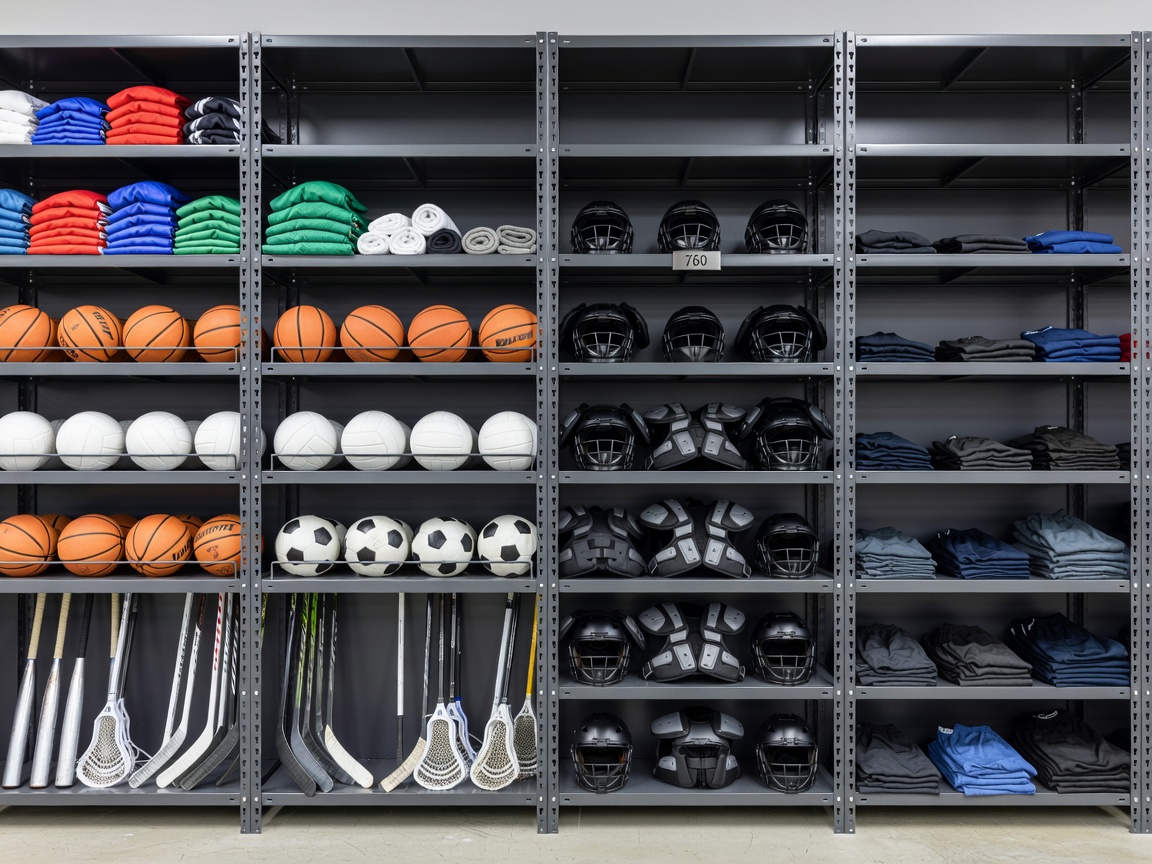
Record the physical location, access method and movement route. A storage location can be a room, rack, cage, vehicle or training zone. Make capacity and security visible. Unclear storage creates duplicate requests and weakens condition control.
Condition and usage records
Use a consistent condition scale with notes and photographs where appropriate. Record repairs, cleaning, incidents and transfers. Usage patterns matter because frequent movement and high handling can affect review priority even when an item is not old.
Replacement priorities
Prioritize by safety, operational importance, condition, repair burden, availability and timing. A critical facility item may need action before a less important item with a similar age. Avoid fixed replacement intervals unless the manufacturer or category guidance supports them.
Advantages and limitations
A fleet view improves visibility and supports shared use. It does not eliminate judgment, and it requires accurate updates. If teams do not return records after transfers, the inventory quickly loses value.
What to know
Fleet planning is an operating discipline. Use simple identifiers, clear ownership and scheduled reviews. The result should help a club answer what it has, where it is, who uses it and what decision is next.
Short checklist
□ Create one inventory structure.
□ Identify assets and kits.
□ Record team and facility allocation.
□ Add storage and condition fields.
□ Rank replacement priorities.