What leasing means for a sports club
Equipment leasing is an arrangement in which a club uses identified equipment for a defined period under agreed documentation. The practical decision is not simply lease versus buy. It is whether the club needs control of an asset for a particular operating period, and whether ownership adds value after that period.
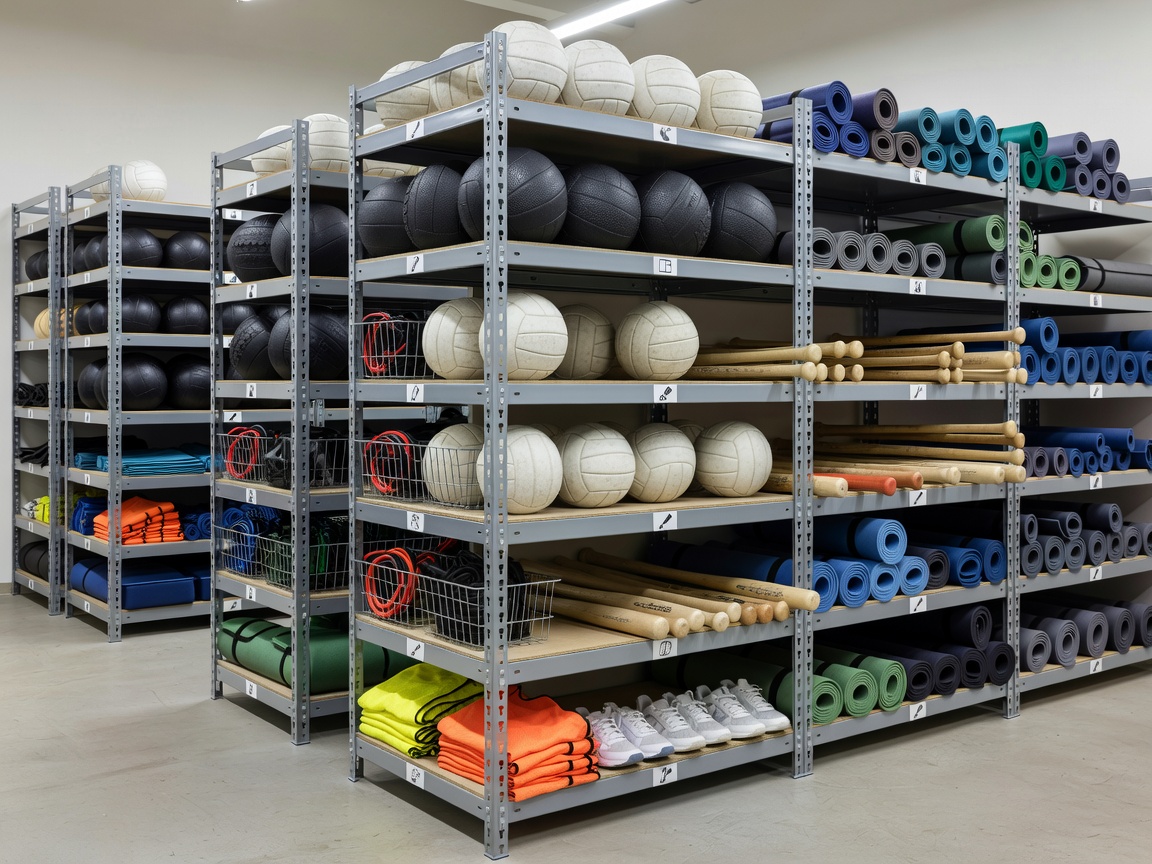
Useful categories may include training aids, strength equipment, goals, court equipment, storage units, benches, transport cases and facility accessories. Each category has different handling, cleaning, storage and condition requirements.
Ownership versus leasing
Ownership can suit equipment with stable demand, long useful service and straightforward maintenance. It can also create responsibility for storage, repairs, depreciation decisions and eventual disposal. Leasing can suit equipment where requirements change, where replacement timing matters, or where a club wants a defined review point.
Leasing has limitations. The club must understand the agreement, identify assets accurately and plan for return or renewal. It may have less flexibility to alter equipment than an owner. The commercial and legal terms must be reviewed by the club before commitment.
Choose the term around use
Start with the operating calendar. Consider season length, training cycles, facility changes, squad growth and planned procurement reviews. A term should be long enough for the equipment to serve its intended requirement, but short enough to preserve a useful decision point. Do not assume that one term works for every category.
Build a usable budget structure
Separate equipment access from the wider operating cost. Record the category, quantity, expected users, storage location, maintenance responsibility, term, review date and likely end-of-term action. This makes comparison easier without inventing savings or assuming a particular financial product.
Planning considerations
- Club size and number of squads.
- Shared use between senior, youth and community teams.
- Storage capacity and movement between facilities.
- Condition checks and responsibility for reporting damage.
- Replacement timing before operational continuity is affected.
What to know
Leasing is an operating choice, not a guarantee of lower cost. Review the full agreement, equipment identity, maintenance position, return process and renewal decision points. Manufacturer guidance remains relevant for safe use and service.
Short checklist
□ Define the equipment category.
□ Map users, storage and expected use.
□ Compare ownership and leasing responsibilities.
□ Record review, renewal and return dates.
□ Confirm the club can administer the records.